Category: Voices

Kaymakçı at the Annual Meeting of Excavation Results in Denizli

Voices From the Field (2022-06-01)

Part of the privilege of conducting archaeological research in Turkey is the invitation to contribute to the annual Meeting of Excavation Results organized by the Ministry of Culture and Tourism’s General Directorate of Cultural Heritage and Museums. This year’s event was held in Denizli (western Türkiye), where Kaymakçı was well represented by Excavation Assistant Director Tunç Kaner of Koç University.

In addition to describing the results of the previous field season, these events are always a nice opportunity to celebrate and thank those who contributed to the work!

A SOFRA Workshop

Voices From the Field (2022-05-25)

SOFRA project workshop with local cooperatives was held on 25 May 2022 at the Asphodel Research Center. An enthusiastic group of women demonstrated the deep love they have for traditional cooking and the strength they bring to preserving this legacy.

Overviewing the 2019-2020 Seasons at Kaymakçı: A New Publication

Voices From the Field (2022-05-15)

We are pleased to share a recent publication in Kazı Sonuçları Toplantısı, the annual publication of excavation results put out by the Ministry of Culture and Tourism. This article reviews some of the activities conducted during the 2019 season, as well as the pandemic-abbreviated 2020 season at Kaymakçı. See below for details!

Roosevelt, Christopher H., Tunç Kaner, and Christina Luke. 2022. “Kaymakçı Arkeoloji Projesi: 2019–2020 Yılı Kazı ve Araştırma Sonuçları.” [“The Kaymakçı Archaeological Project: 2019–2020 Excavation and Research Results] Kazı Sonuçları Toplantısı 2019–2020(1): 451–475.

April Showers… and a New Field Season

Voices From the Field (2022-05-11)

Even with a relatively dry spring, the Carpobrotus edulis (Ice plant) ground cover at the Asphodel Research Center erupted in May, just in time to usher in a new field season vibrantly.

Pink and yellow Ice plant carpets from May

The season started with the routine (yet almost ritual) breaking of seals and opening of the depot under the supervision of our friends from the Manisa Museum. Lab work began with a depot inventory project and detailed ceramic recording and analyses. Field work in May began with preparations of the digital infrastructure that enables our paperless archaeological approach to recording in archaeology.

Overseeing ceramic inventorying on a cold May morning / Testing connectivity between the field and lab hubs

Other May field work included a continuing collaboration with Dr. Zeki Kaya (Middle Eastern Technical University) and colleagues Dr. Alper Gürbüz and Dr. Funda Özdemir Değirmenci. This year we’re working together on Zeki’s TÜBİTAK grant on “Determination of the Agricultural and Vegetation History of the Marmara Lake Basin and Gediz Valley Using Paleogenetic and Geological Data.”

An early morning sunrise before fieldwork / Alper, Funda, and Zeki inspect sediments and vegetation on the desiccated lake basin

In addition to forthcoming fieldwork planning, field walks with Zeki benefited from his sharp botanical eye in identifying a variety of local plants and trees, from wild oaks, pears, and almonds, to various thistles and an oddly situated Dog rose (Rosa canina) growing out of a Kermes oak (Quercus coccifera).

Dog rose, a wild shrub taking root from within a Kermes oak / A dog rose flower

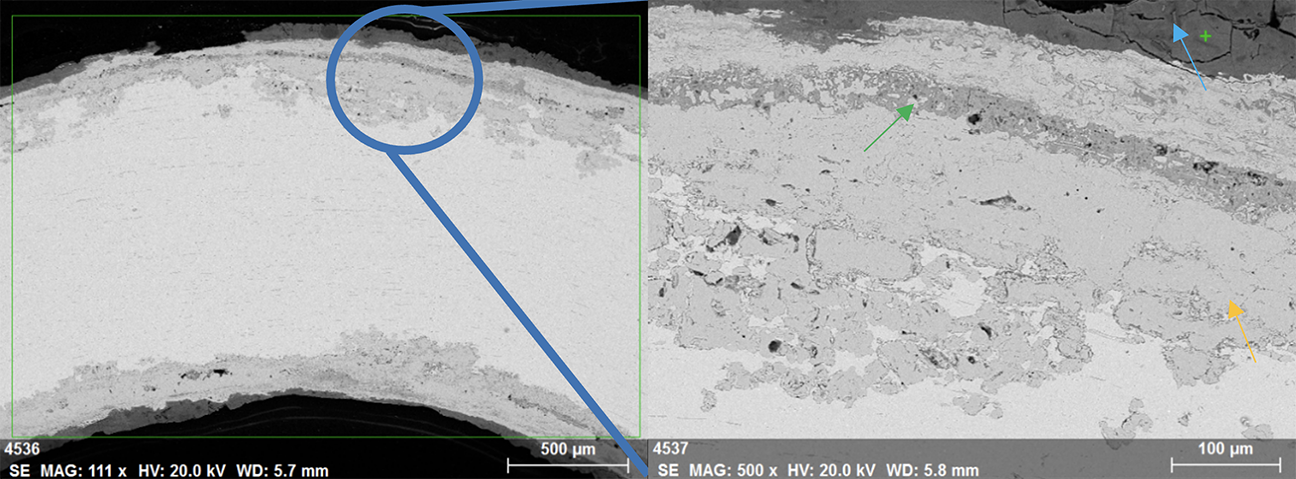
Metallurgical Practices in Bronze Age Western Anatolia: A New Dissertation

Voices From the Field (2022-04-29)

We are proud to announce another completed PhD from the Kaymakçı team! This time, Dalila Alberghina has earned her doctoral degree with a dissertation submitted successfully to the Department of Archaeology and History of Art at Koç University. See below for details!

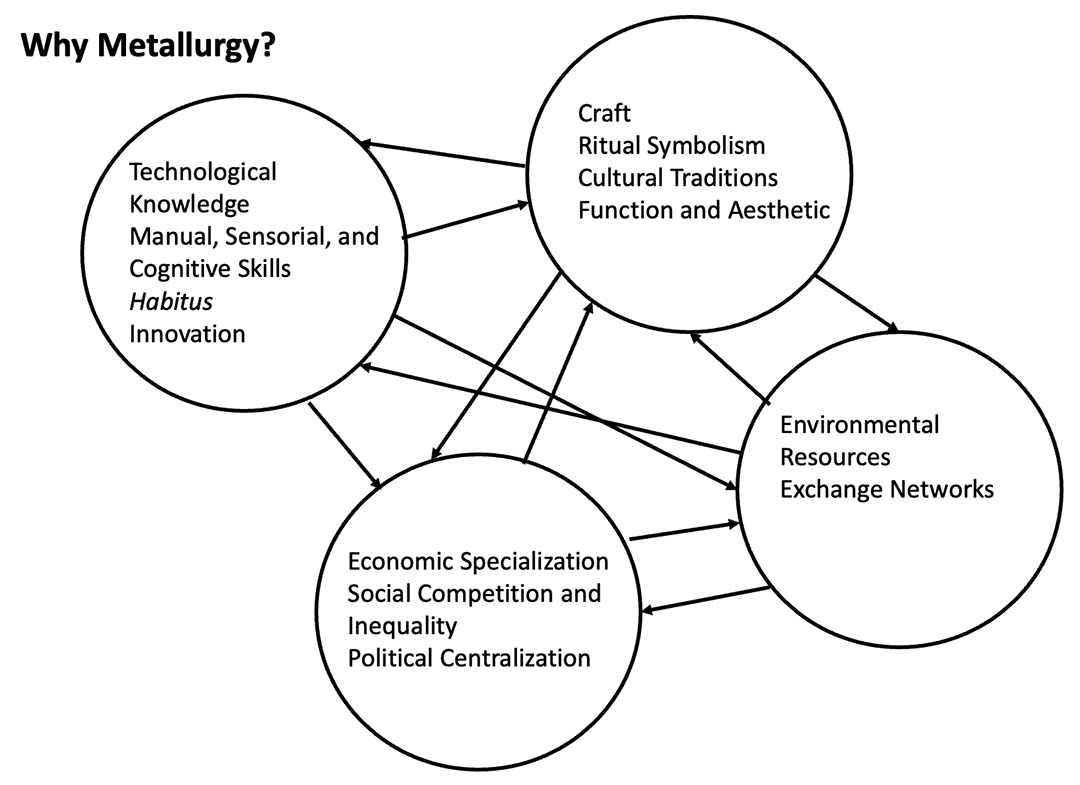
Metallurgical Practices and Technological Knowledge in Second Millennium BCE Western Anatolia: Contextual, Compositional, and Metallographic Analyses on the LBA Assemblage from Kaymakçı

Dalila M. Alberghina

Abstract

Research on the characteristics, development, and socio-economic impact of metal industries in western Anatolia during the 2nd millennium BCE has remained extremely limited. For decades scholars have focused on either the crucial technological innovations of the 3rd millennium BCE or the abundant evidence coming from better-known cultural horizons of central and southeastern Anatolia, on one hand, and the Aegean region, on the other. As a result, with the exception of few sites supported by a long history of research, western Anatolia has been inappropriately downgraded to the status of “peripheral region” at the fringes of more complex political entities developing throughout the Middle and Late Bronze Ages (ca. 2000/1650 and 1650/1200 BCE). In recent years, however, the growing amount of archaeological data from surveys and excavations has underlined the need to redefine the diverse and autonomous character of the region during a period of great socio-political change and cultural diversification.

This doctoral dissertation contributes to the re-assessment of the history of western Anatolia during the 2nd millennium BCE through the detailed study of the metal assemblage and evidences of metal-making practices discovered at the LBA fortified citadel of Kaymakçı (modern-day province of Manisa). Starting from the analysis of the spatial and diachronic distribution, the present work centers on the elemental and micro- structural characterization of lead and copper-alloyed specimens to investigate alloying and manufacturing strategies, and patterns of diversification and continuity in the metal- making practices adopted by local industries during the 17th/13th centuries BCE. By placing the Kaymakçı dataset within the broader context of archaeometric studies in the region, this contribution aims not only to address discussion on local technological practices but to highlight important trends of socio-economic adaptation in a highly varied region during a crucial phase of the ancient Anatolian past.

Extended Food in Manisa

Voices From the Field (2022-04-15)

Gygaia Projects

As part of the SOFRA project, Gülşah Şenkol spent a week at the Asphodel Center. During this time, she spent her days documenting women’s cooperative initiatives in the region of Manisa. This took her to Salihli, Kemer, Gökeyüp, Adala, Soma, Darkale, Demirci, Kula, and Alaşehir. 

Women here showed great passion for their love of Turkish foods, the sharing of recipes, and the importance of meals among friends and families. Many of these women then signed up to attend a cooking workshop at the Asphodel Center later in the year (see a later post!).