Journal

Our thoughts and impressions about life...

Read More

Ottoman Studies

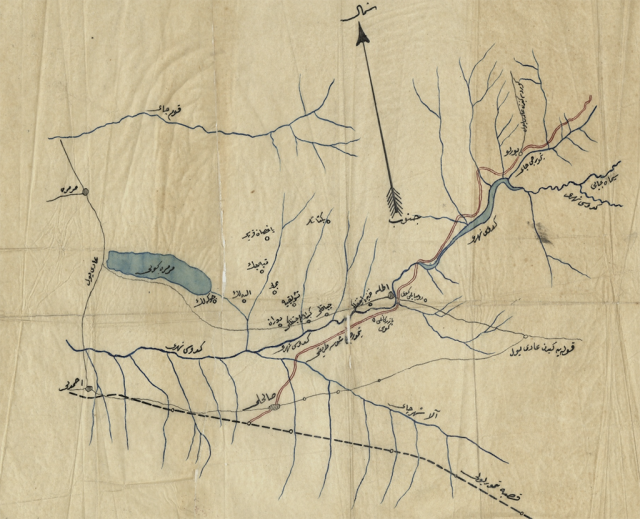
Intensive “digging” into the Presidential Ottoman Archives and Robert College-Boğaziçi University Archives in Istanbul has proved to be extraordinarily interesting for the historical importance of Lake Marmara, the Gediz River, and early archaeology in the region (Bin Tepe and Sardis). Current archival research relates to the period between the late 16th and early 20th centuries. The Middle Gediz Valley is a rich territory for Ottoman narratives on climate change, agricultural production, wetland management, and property relations throughout the period under Ottoman rule. Waqfs (pious foundations) controlled major areas of the region. Princes residing in the palace of nearby Manisa from the 15th to the 17th century played major roles in the waqf management of agricultural land in the valley as well as of the waters and surrounding wetlands of Lake Marmara. Unique historical trajectories define land and lake basin management in the face of dramatic climatic shifts during the Little Ice Age. Current research focuses on the Halime Hatun waqf, which included major components of agricultural and lake resources (fishing, reeds, leeches, etc.). Revenue from taxes collected by the waqf funded the Halime Hatun complex in Gölmarmara, including a mosque, medrese, soup-kitchen, and hammam. These places are today part of Gölmarmara’s Ottoman heritage. The dynamic landscapes of the lake basin offer a hub for exploring the varying scales of global climate shifts among local, imperial, and inter-imperial actors.

In fact this research also gives us the opportunity to place this region firmly within the networks of 18th century Izmir, a major commercial port that connected the middle Gediz Valley to the wider world. This entry triggered increasing competition over land and lake management in the late 18th and thru the early 20th century. Here our work explores Ottoman and non-Ottoman merchants; tax-farmers who competed to gain access to revenues from Lake Marmara, the fertile land, and mines; Cossack refugees who settled in the region as early as the 1830s and made good use of their expertise of socio-ecological knowledge on wetland ecologies to compete with the predominantly Orthodox Greek fishing communities; and local ayan families like the Karaosmanoğlu, who held economic as well as political power in the region. While trying to access and control the resources in the valley, and especially of Lake Marmara, lake communities (intentionally as well as unintentionally) negotiated the micro-climate of the valley and the natural history of Lake Marmara within the context of changing climate and property relations, notably the Tanzimat shifts. This eventually resulted with the emergence of lake management policies.

Finally, another important and emerging part of our archival work focuses on the narratives of early archaeologists, from Bin Tepe to Sardis. We’re interested in their agendas, their engagement with modernity, their relationships with Ottoman officials, and the role of conservation and presentation in Turkey, from the late 18th through the mid-20th century.
Read More

Metals

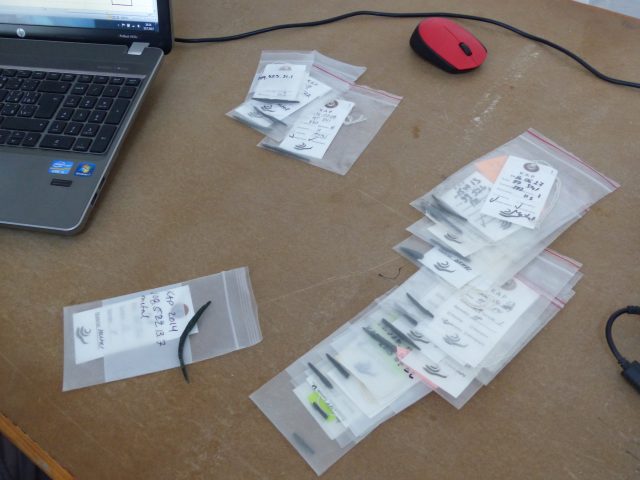
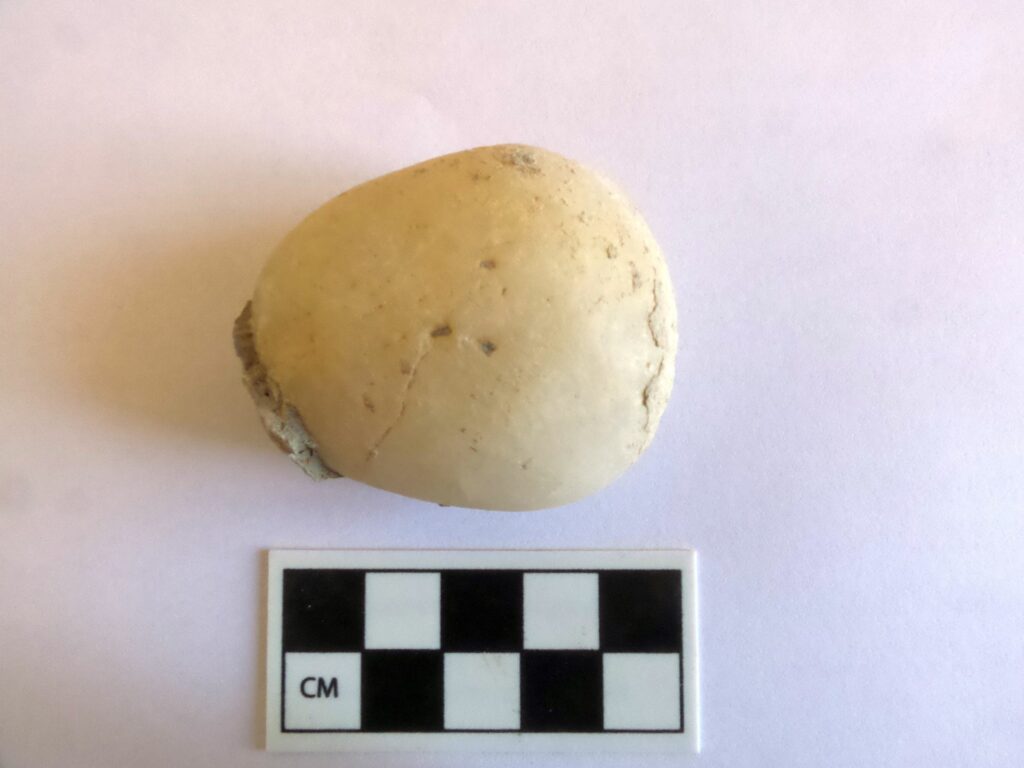
Within the various categories of small finds, metal objects play a fundamental role in the reconstruction of everyday practices, craft activities, technological skills, and stylistic choices in ancient cultures. At Kaymakçı, as elsewhere across Anatolia in the second millennium BCE, the metal corpus includes mainly lead and copper-alloyed artifacts, ranging from tools to personal ornaments and weaponry. The abundant presence of small tools such as chisels, awls, and needles testifies to the richness and variety of specialized on-site activities, such as textile production. Stylistic elements of both utilitarian and more prestigious items show a combination of local elements as well as influences from Anatolian and Aegean cultural spheres.

All metal finds from Kaymakçı are typologically examined and categorized to trace differences and similarities with the same categories of artifacts from contemporary sites in other regions. In addition, archaeometric methods of analysis (pXRF, SEM-EDXRF, LIA, etc.) are applied to examine the elemental composition, microstructure, and isotopic signature of metal objects to better understand the technological skills, manufacturing choices, and routes of raw material procurement behind their making.

Read More

Landscapes

When the Central Lydia Archaeological Survey (CLAS) began, the backbone of the research focused first and foremost on the concept of landscape – a holistic vision of place-making by those inhabiting this region. Change over time, from conceptual understandings to the physical transformation of the landscape, has resulted in shifting ideas for how communities referred to concepts of home and territory. From settled communities to transhumance, rich narratives of the ebbing and flowing of human heritage define this region. From the forests and lakes of the Bozdağ Mountain range, the vast Gediz River plain, the various rivers (Gediz and Alaşehir), the extensive Lake Marmara, and the uplands of the western and northern mountain ranges, our holistic interest continues to be the layers of legacies embodied across these landscapes.

Read More

Lake Marmara – Gygaia Limne

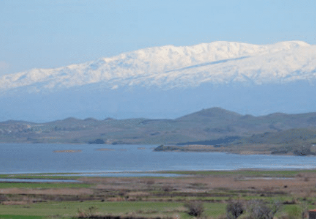
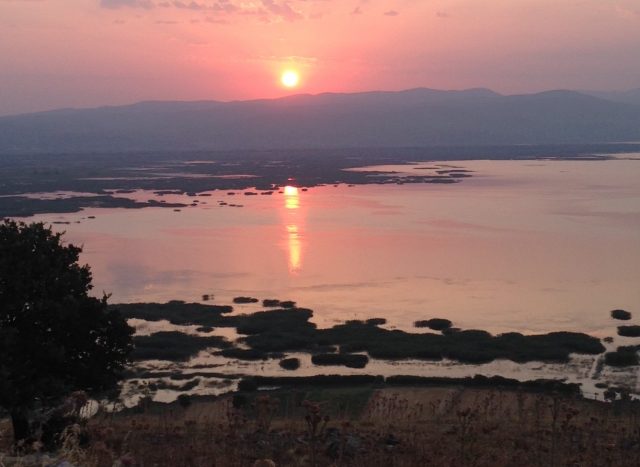
Much of the research conducted by Gygaia Projects pivots around Lake Marmara. Afterall, it is the project namesake. Our approach to the study of the lake covers an extensive period, from its initial formation around 10,000 years ago to the current climatic crisis. Nearby natural springs along the northern edge of the lake basin, especially the Akpınar spring, would likely have sustained a small body of water throughout history. Winter rains and runoff enhance this body of water. Even so, hot, dry summers lead to massive fluctuations in the boundaries of the lake, and throughout its history it was known to dry up, at least partially.

To be sure, the lake is shallow (6 meters at its deepest point), and it is also extremely broad. This dynamic body of water, thus, has received considerable attention as a spiritual component of the region, vacillating with seasons and climatic regimes. This fragile natural landscape, however, has been and continues to be modified by human hands. The first intervention into the lake is the subject of current research, as are the most recent interventions, including both the Gördes and Demirköprü dams.

Ongoing research projects that concern the lake include study of the flora and fauna from the archaeobotanical and zooarchaeological collections from the Bronze Age site of Kaymakçı, an ongoing assessment of biological diversity, legacies of ritual associated with the lake, coring programs for paleotopographical, sediment DNA, and climate reconstructions, and a detailed look at Ottoman archives, which demonstrate not only its local significance, but also its regional importance for 18th century and later policies towards wetland management in the Ottoman world.


Read More

Food and Society – SOFRA

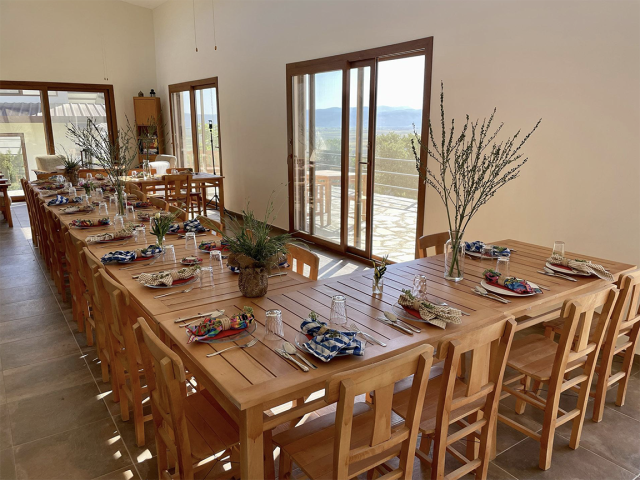
How and what we eat defines much of who we are as individuals and communities. The SOFRA project explores and celebrates food traditions in the Marmara Lake Basin and beyond from past to present. Gygaia Projects partners with SOFRA in its exploration of the archaeological contexts, village courtyards, family fields, and women’s cooperatives that are all part of this story. Please enjoy the book on histories and recipes as well as links to photographs and videos here: https://sofra.ku.edu.tr.

Read More

DNA: Ancient and Sediment DNA Studies

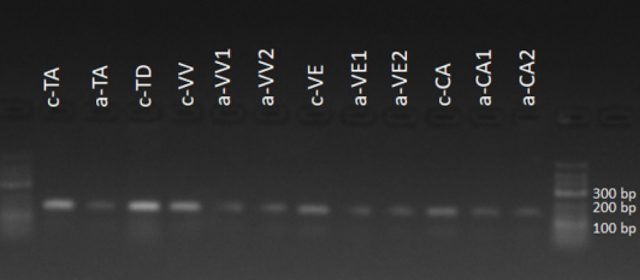
The scope of ancient DNA studies aims to study genetic characterizations of archaeobotanical material recovered from excavations at Kaymakçı and sediments taken from cores covering the Marmara Lake basin, nearby ridges and uplands, and the Gediz plain. The goal is to assess genetic changes that have occurred over time, often due to domestication, from prehistory to yesterday.

The main goals of the Ancient (aDNA) and Sediment DNA (sedaDNA) research group are as follows: i) to obtain high quality ancient DNA for use in genomic studies, we work with carbonized seeds (e.g., wheat, barley, chickpea, bitter vetch, and grape) retrieved from controlled excavations; ii) to screen agronomically important gene regions for evolutionary changes and the agronomic character of the ancient DNA of agricultural plants and to compare these with their contemporary relatives, this work aims to uncover changes in specific crop plants, notably genetic variation from ancient species to the present; this information will shed light on future agricultural activities; iii) obtaining information about the agricultural and vegetational history of the region through genetic analysis of sedaDNA extracted from a series of strategically placed sediment cores across the Marmara Lake Basin and the Gediz plain, our goal is to examine the population dynamics of existing plants and thus to generate information that can answer important questions on past and present breeding processes of specific crops.