Journal

Our thoughts and impressions about life...

Read More

Voices From the Field (2021-07-13)

Two New Publications on Digital Archaeology at Kaymakçı

Gygaia Projects

We are pleased to share news that two new publications on digital archaeology at Kaymakçı have just appeared in Open Archaeology. See below for details!

Born-Digital Logistics: Impacts of 3D Recording on Archaeological Workflow, Training, and Interpretation

Catherine B. Scott, Christopher H. Roosevelt, Gary R. Nobles, and Christina Luke
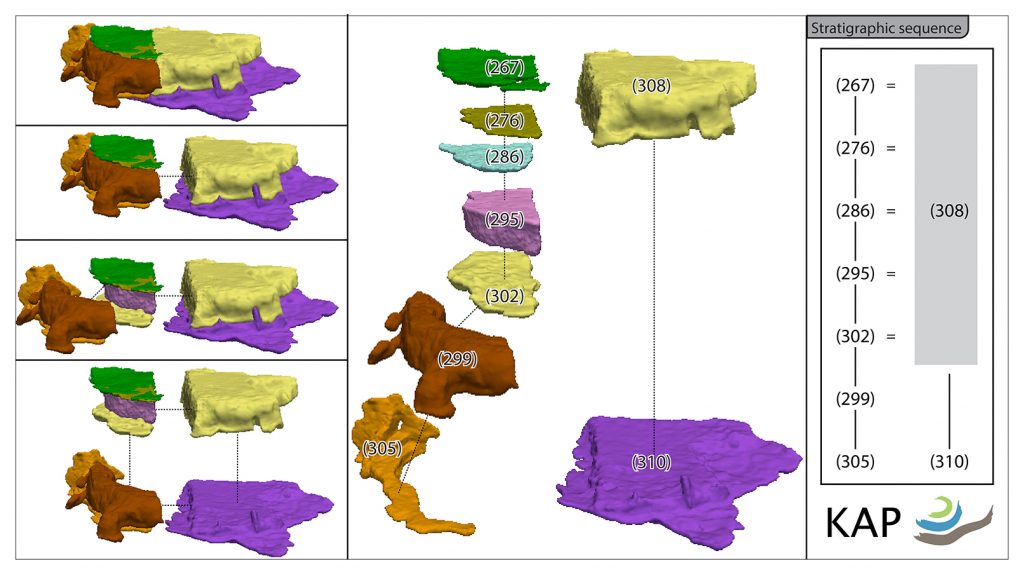
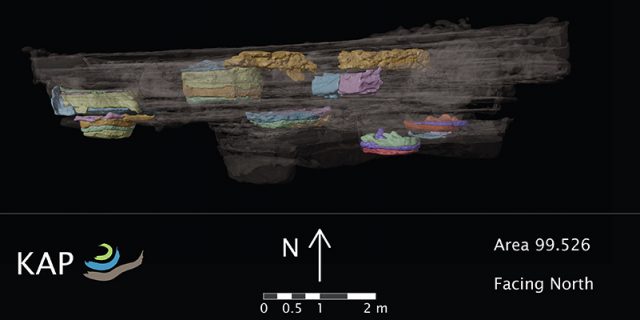
Abstract: Digital technologies have been at the heart of fieldwork at the Kaymakçı Archaeological Project (KAP) since its beginning in 2014. All data on this excavation are born-digital, from textual, photographic, and videographic descriptions of contexts and objects in a database and excavation journals to 2D plans and profiles as well as 3D volumetric recording of contexts. The integration of structure from motion (SfM) modeling and its various products has had an especially strong impact on how project participants interact with the archaeological record during and after excavation. While this technology opens up many new possibilities for data recording, analysis, and presentation, it can also present challenges when the requirements of the recording system come into conflict with an archaeologist’s training and experience. Here, we consider the benefits and costs of KAP’s volumetric recording system. We explore the ways that recording protocols for image-based modeling change how archaeologists see and manage excavation areas and how the products of this recording system are revolutionizing our interaction with the (digital) archaeological record. We also share some preliminary plans for how we intend to expand this work in the future.

Filling the Void in Archaeological Excavations: 2D Point Clouds to 3D Volumes

Gary R. Nobles and Christopher H. Roosevelt

Abstract: 3D data captured from archaeological excavations are frequently left to speak for themselves. 3D models of objects are uploaded to online viewing platforms, the tops or bottoms of surfaces are visualised in 2.5D, or both are reduced to 2D representations. Representations of excavation units, in particular, often remain incompletely processed as raw surface outputs, unable to be considered individual entities that represent the individual, volumetric units of excavation. Visualisations of such surfaces, whether as point clouds or meshes, are commonly viewed as an end result in and of themselves, when they could be considered the beginning of a fully volumetric way of recording and understanding the 3D archaeological record. In describing the creation of an archaeologically focused recording routine and a 3D-focused data processing workflow, this article provides the means to fill the void between excavation-unit surfaces, thereby producing an individual volumetric entity that corresponds to each excavation unit. Drawing on datasets from the Kaymakçı Archaeological Project (KAP) in western Turkey, the article shows the potential for programmatic creation of volumetric contextual units from 2D point cloud datasets, opening a world of possibilities and challenges for the development of a truly 3D archaeological practice.

Look forward to more posts from Gygaia Projects soon!
Read More

Voices From the Field (2021-07-06)

Changing of the Guard

Gygaia Projects

We are just about to conclude the first part of the 2021 season. All team efforts so far have focused on supporting the ongoing excavations along the fortification wall and associated material processing, especially of ceramics, of which large quantities were recovered this year.

Ongoing COVID precautions mean that only a limited number of team members can live and work with us at one time this year. With the ongoing depot inventory work, as well as needed ceramic, lithic, ground stone, metal, environmental archaeological, and other analyses beginning, we will usher in almost entirely new group of specialists and students. In the meantime, we bid fond farewell and profuse thanks to those who worked with us until now!

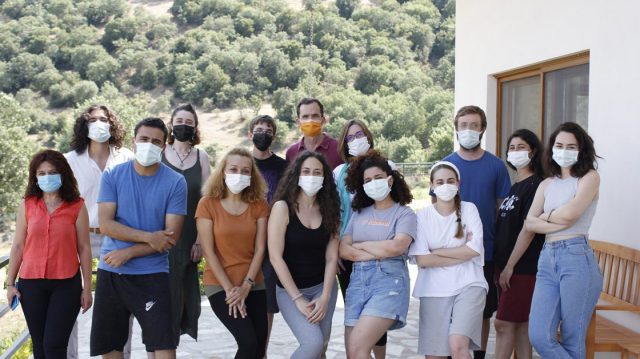
Our “June Excavation” team, with and (very briefly!) without masks

Look forward to more posts from Gygaia Projects soon!

Read More

Voices From the Field (2021-06-29)

Lake Desiccation or an Anticipated, Annual Retreat?

Gygaia Projects

Gygaia Projects

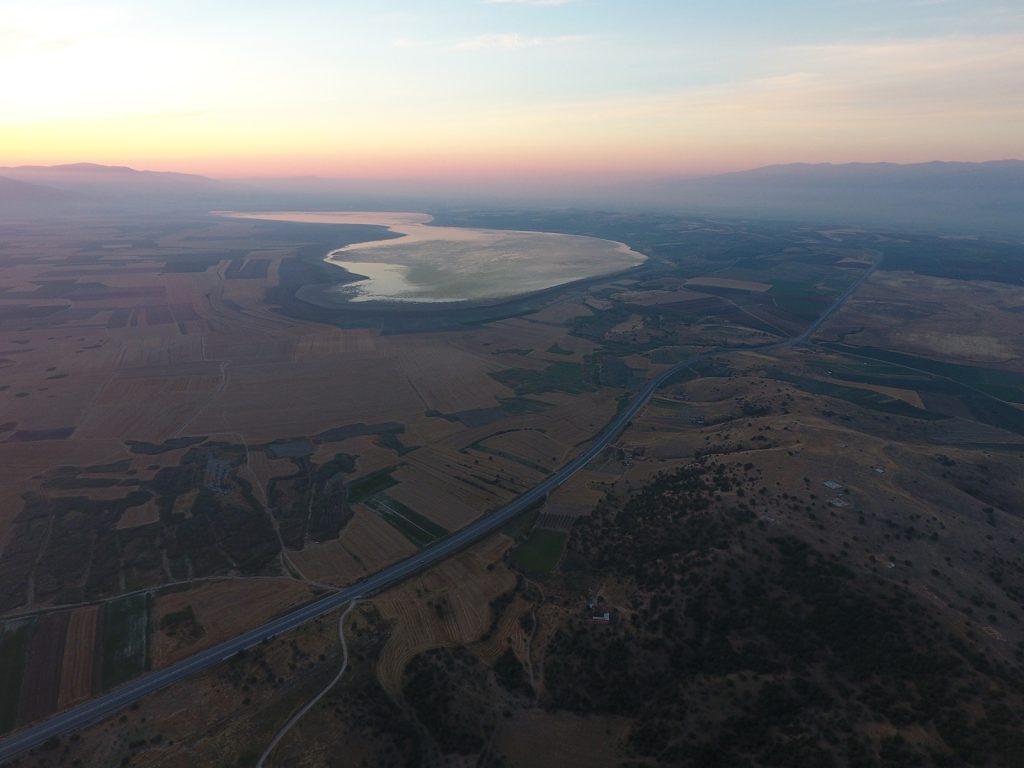
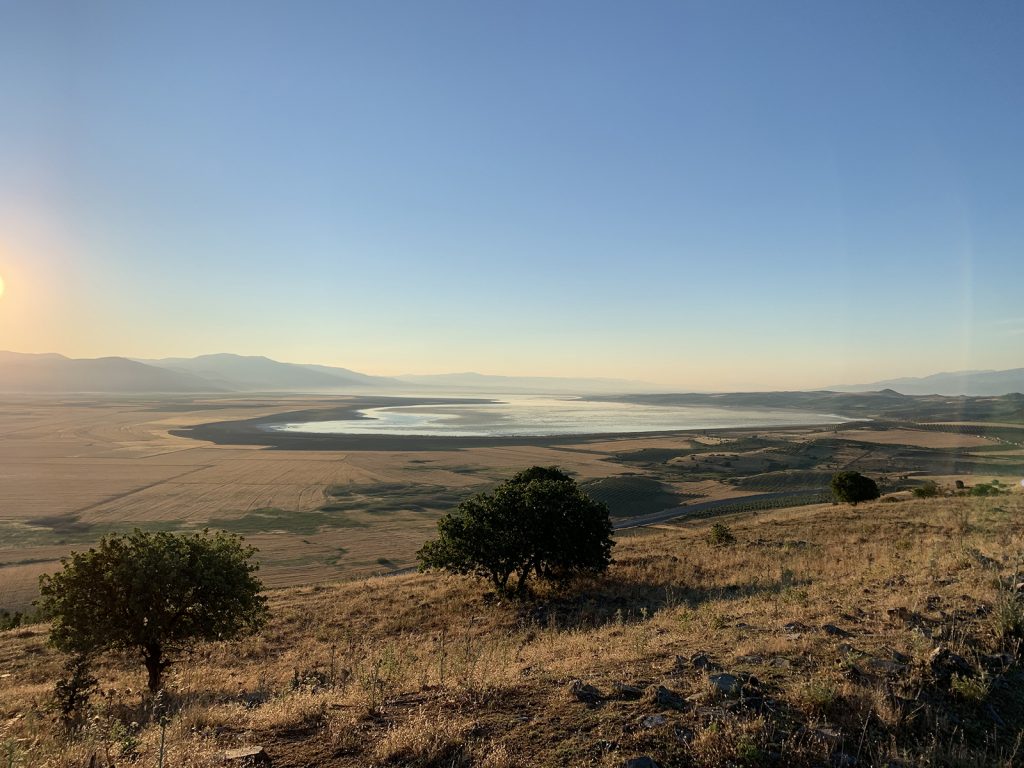
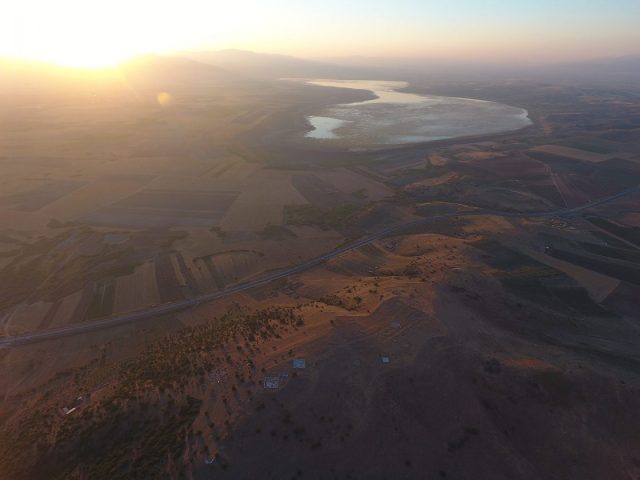
With concerns mounting over climate change, the vantage point of our daily lives puts this reality front and center in our minds. We awake each day to the sun rising over the mountains that flank the northern shores of Lake Marmara. And… each day the shoreline grows. We know from the Ottoman records that this pulse lake – known by ancient authors as the Gygaean Lake or Lake Coloë – has been ebbing and flowing for centuries.

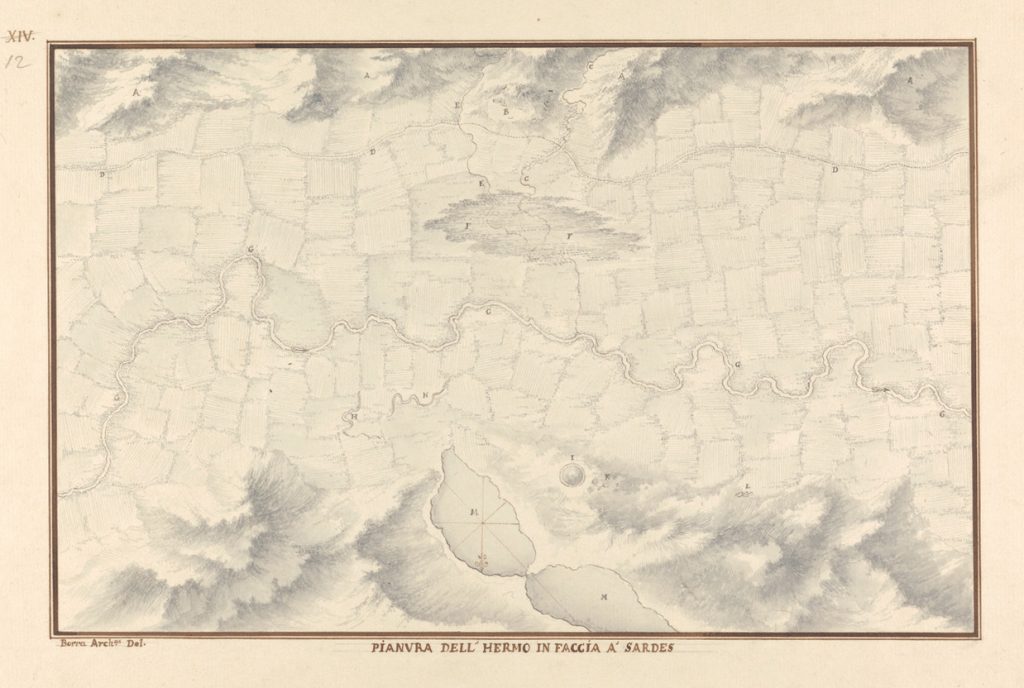
1750 Map by Giovanni Battista Borra (Yale University)

Giovanni Battista Borra’s 1750 map (now at Yale University) demonstrates the performance of this body of water. With rising temperatures and other pressures, is this a serious turning point? Or will annual rains, perennial springs, and the modern infrastructure work together to refill the lake basin come winter 2021? How might a more nuanced reading of Ottoman records and archaeological assemblages inform our thinking of this performance landscape? Be sure to follow our continuing posts and forthcoming publications.

Early morning images show the retreating shorelines and the “two lakes” mapped around 1750, with Kaymakçı in the right foreground of both images
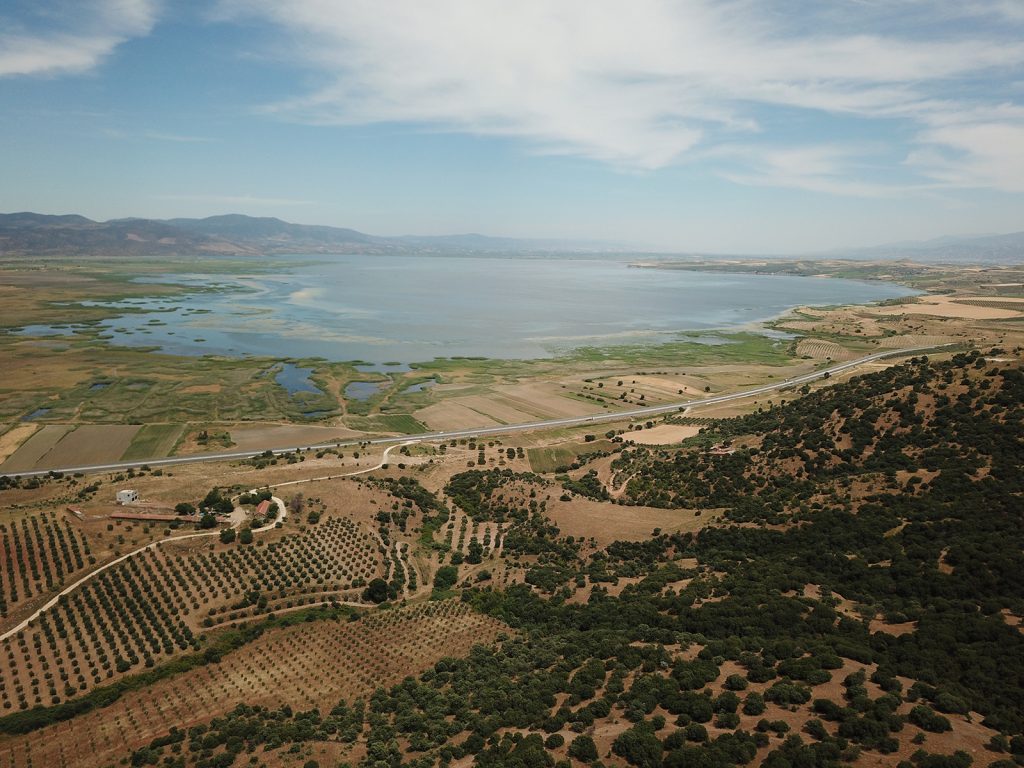
These images taken at different times of day show seasonal agricultural fields that grow in size along the retreating lakeshore as well as vegetal growth on the water surface taking advantage of the extremely shallow depths
Will lake levels soon return to those seen here in summer 2019? We know at least the local birds and birdwatchers hope so!

Look forward to more posts from Gygaia Projects soon!

Read More

Voices From the Field (2021-06-25)

The Jab

Gygaia Projects

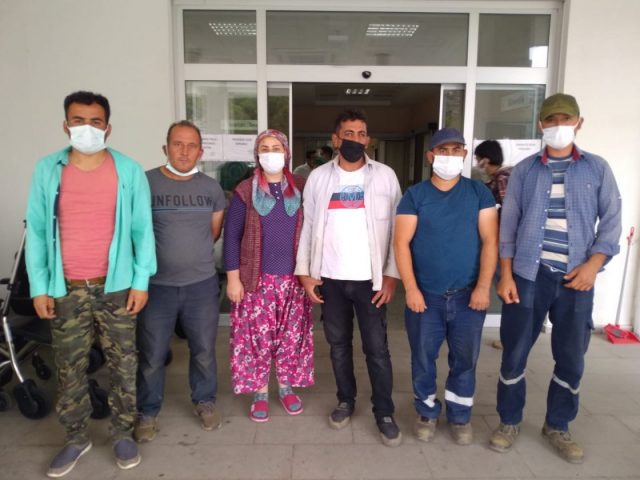
With the roll-out of vaccinations in Turkey, many KAP members got their first (and will get their second) COVID vaccine jab in the local hospital in Gölmarmara.

Once signed up with the online system (e-Nabız), groups cycled in for the jab and then returned to their homes or the research center for restful afternoons.

Look forward to more posts from Gygaia Projects soon!
Read More

Voices From the Field (2021-06-23)

A Visit from the (Dust) Storm God

Gygaia Projects

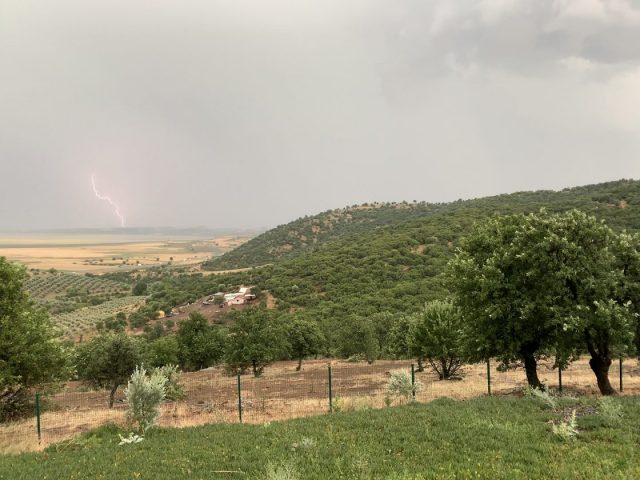
Watching a storm roll in from the east, our team unplugs computers, moves all finds inside, and closes up windows and doors. We brace for the impending force of nature.

Storms here are particularly dynamic: rains and winds battering the research center; our eyes looking for the next bolt of lightning; our ears listening for the cracks of thunder that punctuate these ancient territories of the storm gods.

Northern winds bringing brown dust to Kaymakçı and the valley.

And then the rain hits…

… followed by clearing skies and far-off lightning

Look forward to more posts from Gygaia Projects soon!
Read More

Voices From the Field (2021-06-22)

Auditory Heritage at the Trowel’s Edge

Gygaia Projects

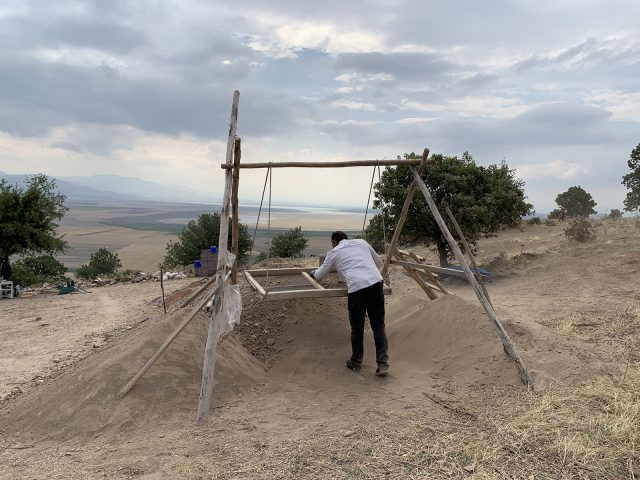
A day in the trenches comes with hard work, a lot of sun, and a rich array of auditory stimuli. Here we thought it appropriate to record some of the heritage sounds one hears when excavating and to link photographs of the tools alongside their performances. Of course, each tool and each sound is made possible by a person. Without the dedication and expertise of the entire field team, it would be impossible to collect the compelling KAP datasets.

We recommend listening first without peeking at the images and captions below to see if you might be able to link the sounds with their origins. Depending on the context, one chooses the appropriate tools. Happy listening! 

A selection of small are large hoe-like picks (and the sound they make moving through deposits of fill, above)
Trowels used at Kaymakçı (and the sound they make scraping a surface, above)
Shovels and rubber buckets (zembili) (and the sound of shoveling sediment into a bucket)
Wheelbarrows (and the sound of wheelbarrowing bucket-fulls of sediment to the sieve)
Our sieve (and the sound of sediment being sieved, above)

Look forward to more posts from Gygaia Projects soon!